
The Reality Check You Need Right Now
You’re stuck. Your day job pays the bills, but it costs you something more valuable: your time. You’ve thought about starting a side business. You’ve scrolled through countless strategies. But here’s the hard truth: 95% of people who want financial freedom never actually build it.
Why?
Not because they lack the ability. They fail because they’re following the wrong blueprint. Without a clear framework, you’ll waste months spinning in circles, trying tactics that don’t work, burning out before you ever gain traction.
The winners—the people who actually escape traditional employment—don’t guess. They read the books that map the territory before they step into it.
This guide breaks down the 10 essential books that separate successful side hustlers from the rest. These aren’t feel-good reads. They’re operational manuals written by people who’ve already done what you’re trying to do.

The Three-Pillar Framework: Your Roadmap to Remote Income
Success in the side hustle economy requires more than a single skill or mindset. You need three things working in concert:
Pillar I: Financial Architecture — The philosophy and strategy for separating income from time.
Pillar II: Rapid Launch & Validation — The exact tactics to test ideas quickly and cheaply.
Pillar III: WFH Proficiency — The systems and focus techniques to scale without burning out.
The 10 books below fit into these three categories. Read them in sequence. Apply them in order. This progression matters.
Pillar I: Building Your Financial Foundation (Mindset & Leverage)
Book 1: The 4-Hour Workweek by Timothy Ferriss

The 4-Hour Workweek [click to view…]
Core Focus: Lifestyle design and automation
Amazon Rating: Highly Recommended
Best For: Those who need to understand the why behind remote work
Ferriss introduced the concept of creating automated income streams so you work less and live more. His D.E.A.L. methodology breaks down into four steps:
- Definition — What does freedom actually look like to you?
- Elimination — What tasks are you doing that don’t matter?
- Automation — How can tasks run without your direct involvement?
- Liberation — What’s left after you’ve eliminated and automated?
The book’s most practical section covers outsourcing. Ferriss shows exactly how to hire virtual assistants in regions with lower costs, assign them your repetitive tasks, and free up your hours for strategic work.
Real value: You’ll understand that building passive income isn’t about working harder—it’s about working differently.
Book 2: The Millionaire Fastlane by MJ DeMarco
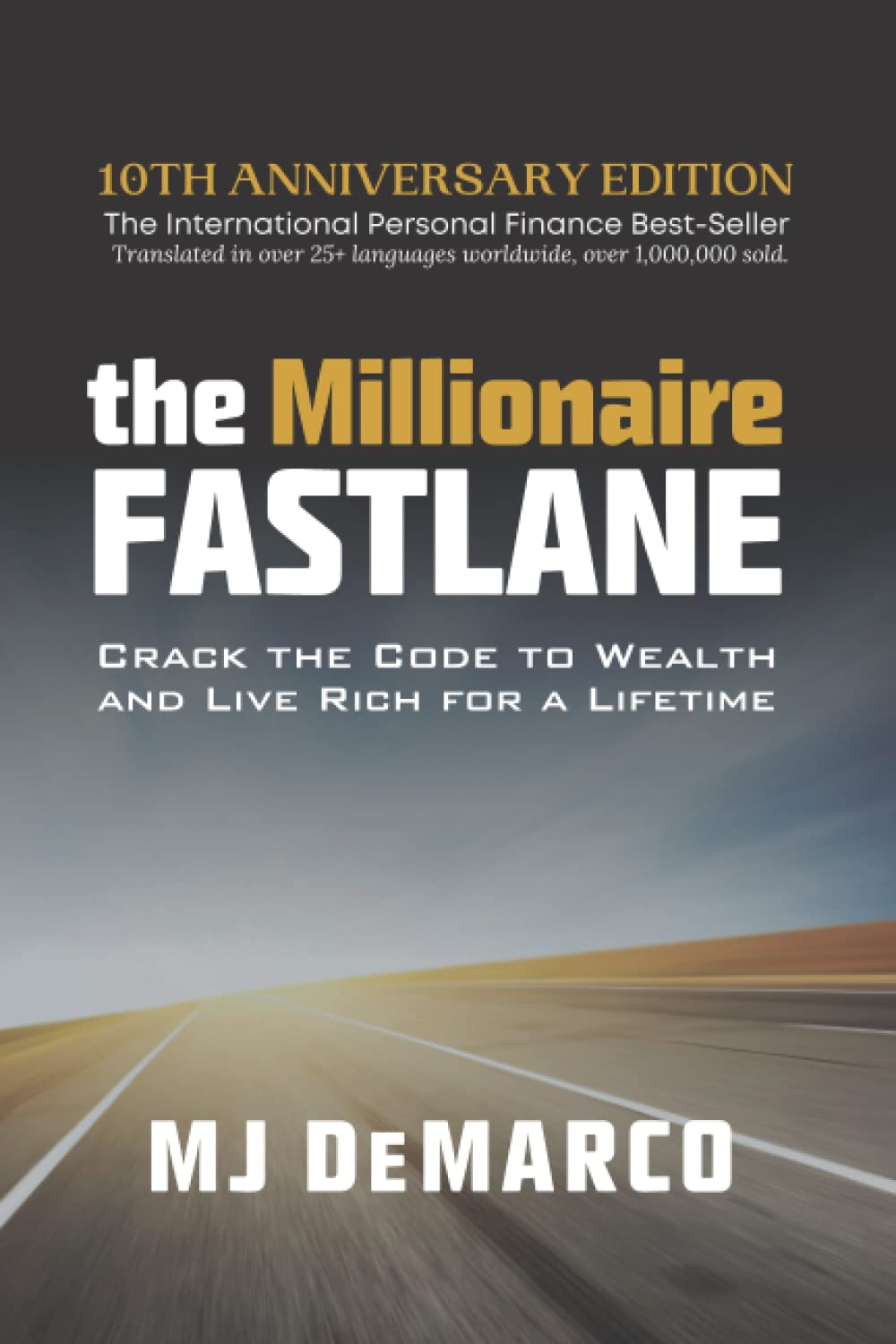
The Millionaire Fastlane [click to view…]
Core Focus: Wealth architecture and scalability
Amazon Rating: 4.22+
Best For: Those who reject the traditional financial advice
DeMarco dismantles the “Slowlane” mentality—the idea that you go to school, get a job, save 10% of your income for 40 years, and retire. He calls this approach “dream-stealing” and “soul-sucking.”
The alternative? The Fastlane. It requires building systems that:
- Solve real problems for large audiences
- Scale beyond your personal time investment
- Generate income independent of your hours worked
DeMarco’s personal story—from hourly limo driver to online business owner—proves that escaping hourly work is possible. But it requires viewing your time differently. If you’re paid only when you’re working, you’ll never achieve true wealth.
Real value: You’ll stop thinking like an employee and start thinking like a systems builder.
Book 3: Passive Income, Aggressive Retirement by Rachel Richards
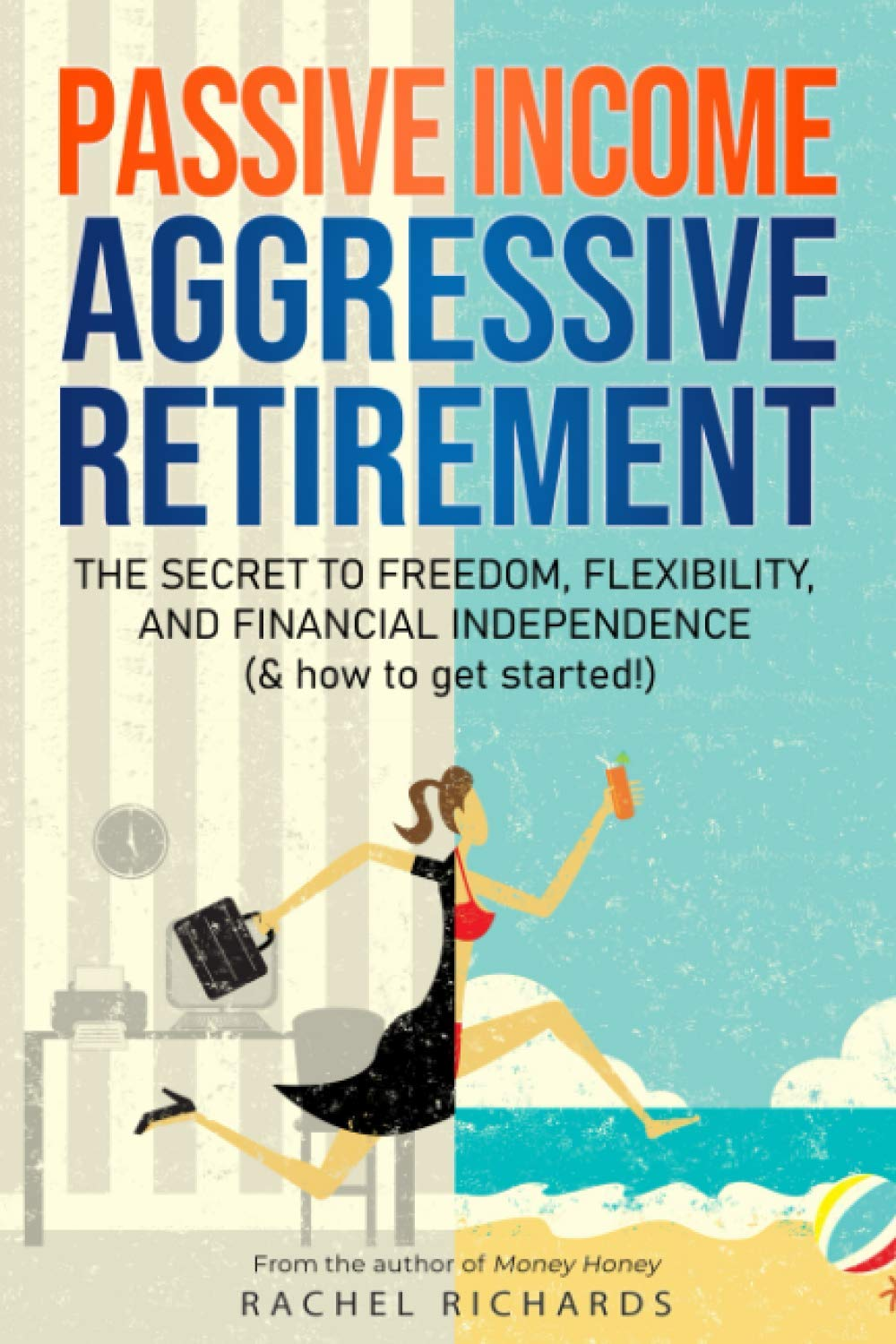
Passive Income, Aggressive Retirement [click to view…]
Core Focus: Passive income streams and achievable financial independence
Amazon Rating: 4.5 out of 5
Best For: Those who want proof that this actually works
Richards retired at age 27 with passive income exceeding $10,000 per month. This book grounds abstract concepts in real case studies.
She defines passive income clearly: revenue earned with little to no ongoing work. But here’s the critical distinction—passive income isn’t built instantly. It requires aggressive effort upfront to create assets (digital products, automated systems, scaled services) that eventually run without you.
The book validates the FI/RE (Financial Independence/Retire Early) movement for remote workers. It shows you what’s possible and provides concrete timelines for getting there.
Real value: You’ll understand that the massive effort required now leads to freedom later.

Pillar II: Launching & Validating Your Idea (Execution Strategy)
Book 4: The $100 Startup by Chris Guillebeau

The $100 Startup [click to view…]
Core Focus: Micro-business launch with minimal capital
Amazon Rating: Highly Inspiring/Practical
Best For: Those paralyzed by the cost of starting a business
Guillebeau proves that you don’t need significant capital to launch. His case studies show real people turning niche skills into profitable income with $100 or less invested.
The book identifies the intersection of three things:
- Your skill — What are you actually good at?
- Your passion — What do you care about?
- Market demand — What will people pay for?
This clarity prevents you from wasting time building something no one wants.
Real value: You’ll overcome the “I don’t have enough money to start” objection and move to testing your first idea.
Book 5: Side Hustle: From Idea to Income in 27 Days by Chris Guillebeau

Core Focus: Rapid income generation with a strict timeline
Amazon Rating: Practical Action Plan
Best For: Those who need a timeline to stop procrastinating
Building on the $100 Startup, this book functions as a workbook with a 27-day deadline. Guillebeau forces you to choose a profitable idea, test it, and generate real income—all without quitting your day job.
The 27-day constraint solves analysis paralysis. It prevents perfectionism and forces momentum. Each day has a specific task designed to move you closer to your first dollar earned.
Real value: You’ll stop planning and start executing.
Book 6: The Lean Startup by Eric Ries
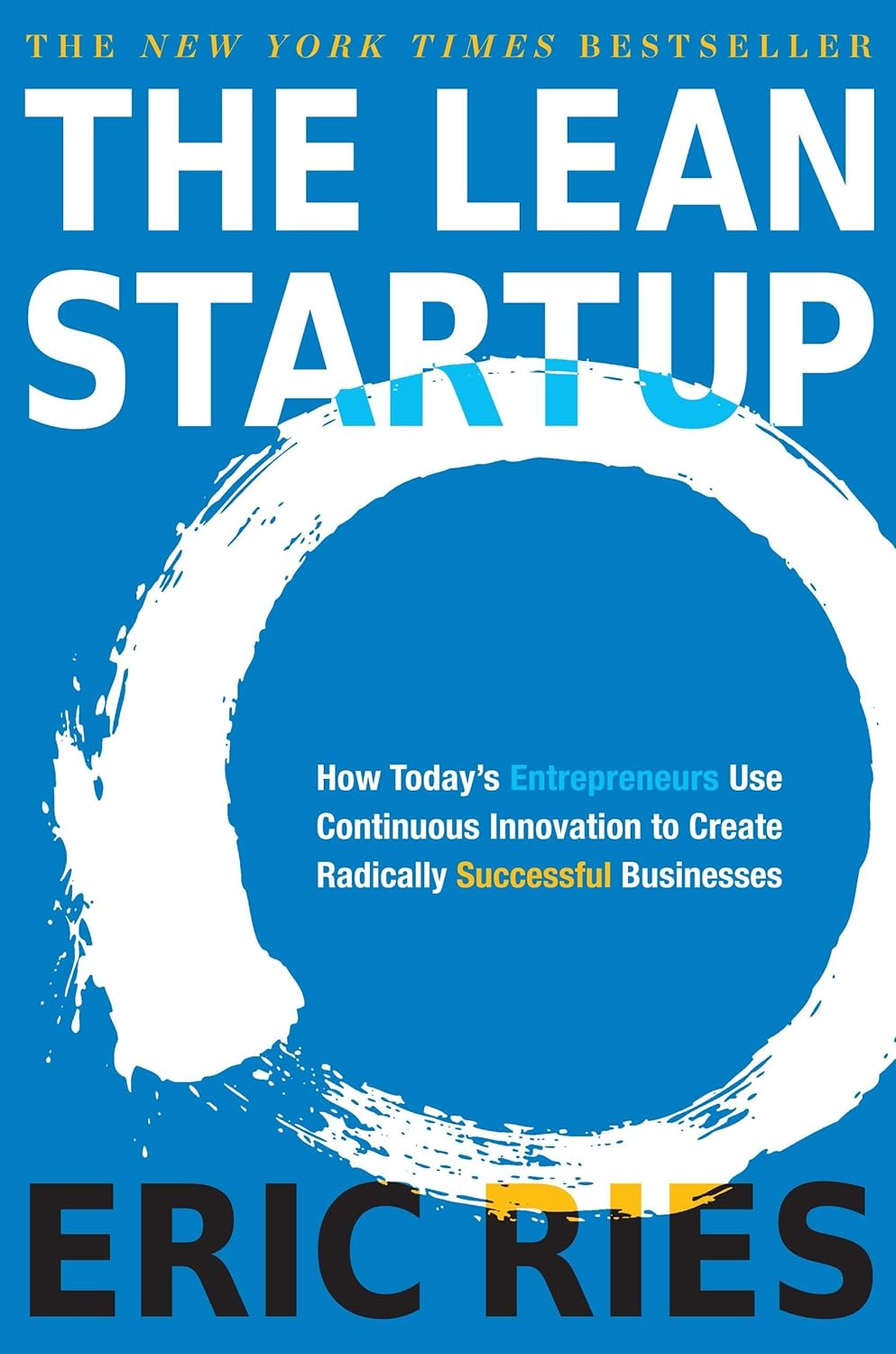
The Lean Startup [click to view…]
Core Focus: Scientific business methodology and iteration
Amazon Rating: Critical Roadmap
Best For: Those who want to avoid building something nobody wants
Ries frames entrepreneurship as a scientific process. Instead of guessing what customers want, you test hypotheses. The “build-measure-learn” feedback loop is the core:
- Build a basic version (MVP — Minimum Viable Product)
- Measure how real customers respond
- Learn from the data and adapt
This approach minimizes wasted effort—critical when your time is your most valuable resource.
Real value: You’ll learn to iterate based on actual customer feedback instead of your assumptions.

Pillar III: Scaling & Optimization (WFH Systems)
Book 7: Deep Work by Cal Newport

Core Focus: Focused concentration for high-value output
Amazon Rating: Excellent (Detailed Plan)
Best For: Anyone working from home who gets distracted
Newport defines deep work as focused concentration that creates irreplaceable value. He then provides a detailed playbook for achieving it.
For a home-based solopreneur, distractions are everywhere: email, notifications, household tasks. Deep Work teaches you to:
- Schedule specific blocks for uninterrupted work
- Eliminate distractions during those blocks
- Build rituals that signal focus time to your brain
- Measure your output objectively
The most valuable work in a side hustle—building systems, creating content, developing strategy—requires deep concentration.
Real value: You’ll produce high-quality work in less time, freeing hours for strategic tasks.
Book 8: Remote Work Revolution by Tsedal Neeley

Remote Work Revolution [click to view…]
Core Focus: Managing remote teams and virtual operations
Amazon Rating: 4.3 out of 5
Best For: Those ready to delegate and scale
When your side hustle grows, you’ll hire virtual assistants or contractors. This book solves the problems that come with remote delegation:
- How do you build trust without in-person interaction?
- How do you maintain productivity across time zones?
- How do you handle the emotional disconnection remote workers feel?
Neeley provides evidence-backed strategies for building cohesion, maintaining motivation, and scaling systems without breaking them.
Real value: You’ll learn to delegate without losing quality or control.
Book 9: Click Millionaires by Scott Fox
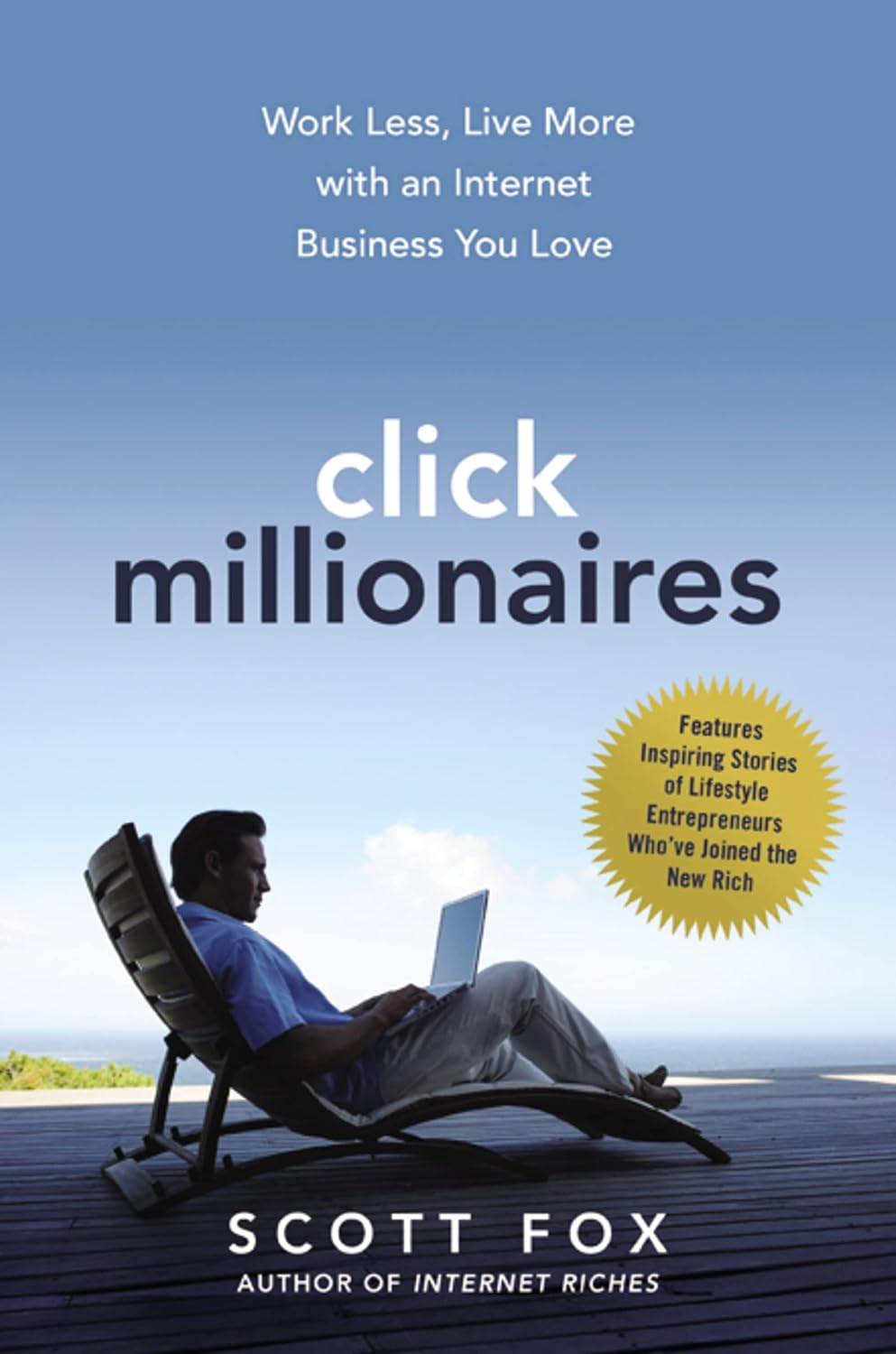
Click Millionaires [click to view…]
Core Focus: Building profitable online businesses
Amazon Rating: 4.70
Best For: Those translating business ideas into digital platforms
Fox provides the tactical roadmap for taking your idea and building it into a functioning digital business. He covers:
- Platform selection (which tools actually work)
- E-commerce structure (if you’re selling products)
- Service delivery systems (if you’re selling time)
- Revenue optimization
The book shows where and how to set up your actual infrastructure.
Real value: You’ll understand the specific steps to move from concept to a live, income-generating platform.
Book 10: The E-Myth Revisited by Michael E. Gerber
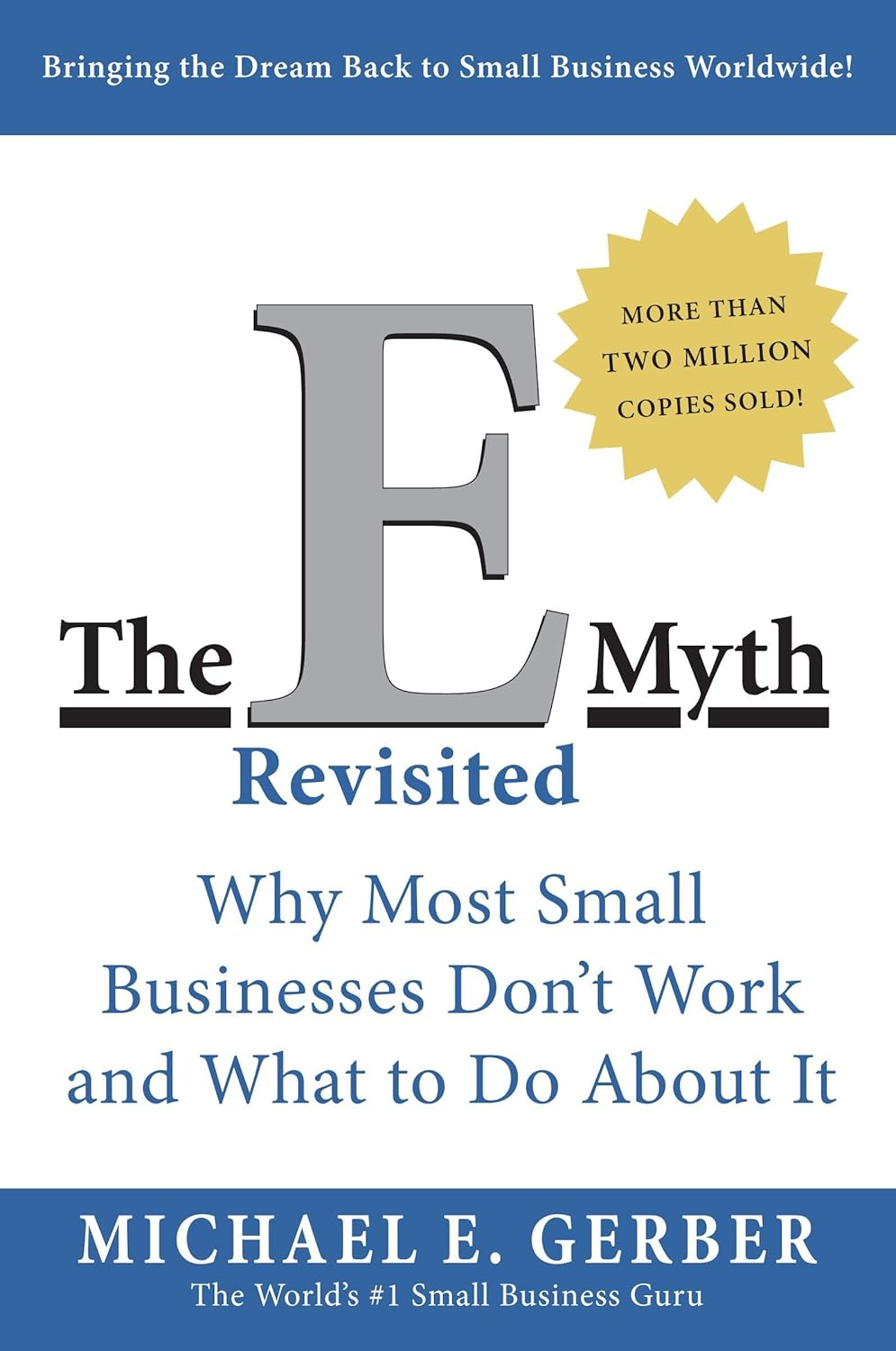
The E-Myth Revisited [click to view…]
Core Focus: Systematization and autonomous operations
Amazon Rating: 4.2 out of 5
Best For: Those ready to stop working IN the business and start working ON it
Gerber identifies the critical mistake most business owners make: they build a job for themselves, not a business. They’re the linchpin. Without them, nothing happens.
The solution is viewing your business as a “franchise prototype.” You document every process, create Standard Operating Procedures (SOPs), and build systems that function independently of your involvement.
This is what separates true side hustles from glorified jobs.
Real value: You’ll build something that can run without you present every single day.
The Reading Sequence: Your Implementation Plan
Don’t read these randomly. The sequence matters.
Phase 1: Vision (Weeks 1-3)
- Read The Millionaire Fastlane and The 4-Hour Workweek back-to-back
- Purpose: Dismantle employee thinking and establish your goal
- Then read Passive Income, Aggressive Retirement to anchor the vision with real examples
Phase 2: Action (Weeks 4-8)
- Read The $100 Startup for inspiration and low-cost tactics
- Read Side Hustle and complete its 27-day workbook simultaneously
- Read The Lean Startup to test your idea with scientific rigor
- Purpose: Move from planning to actual market testing
Phase 3: Scaling (Weeks 9+)
- Read Deep Work and implement its focus techniques immediately
- Apply your focused time to documenting systems (E-Myth Revisited)
- Read Remote Work Revolution as you begin delegating
- Read Click Millionaires to optimize your platform
- Purpose: Transform your working prototype into a scalable asset
The Core Skills You’ll Gain

The Bottom Line
Building a successful side hustle isn’t mysterious. The people doing it aren’t smarter than you. They’re reading the books that map the territory. They’re following frameworks that actually work. They’re avoiding the mistakes that kill 95% of attempts.
These 10 books provide that framework. They move you from “I want to quit my job someday” to “Here’s exactly how I’m going to do it.”
Your next move: Start with The Millionaire Fastlane. Finish it. Then move to The 4-Hour Workweek. Don’t skip ahead. The sequence builds on itself.
The winners aren’t waiting for the perfect time. They’re reading, learning, and building right now. The choice to join them is yours.

Other Popular Posts:
 290 Spring Home Decor Ideas That’ll Probably Make Your Home More Beautiful Than Ever Before
 10 Creative Office Space Design Ideas That Will Change The Way You Look At Work Forever
 10 Minimalist Home Decor Ideas That Will Make Any Minimalist Drool
 7 Funny Chicken Gifts That’ll Have Everyone Cackling
 6 Best Books on How To Deal With Failure: Don’t Discover These Too Late
 10 Awesome Coloring Books For Adults To Relieve Stress Like Nothing Else

 10 Clever Artists Who Let Nature Do The Hard Work For Them (With Incredible Results)
 225 Sunflower Wedding Ideas That Almost Made Me Cry